

The "Comeback Era" is Real: How Legacy Brands Can Win Over Gen Z and Gen Alpha
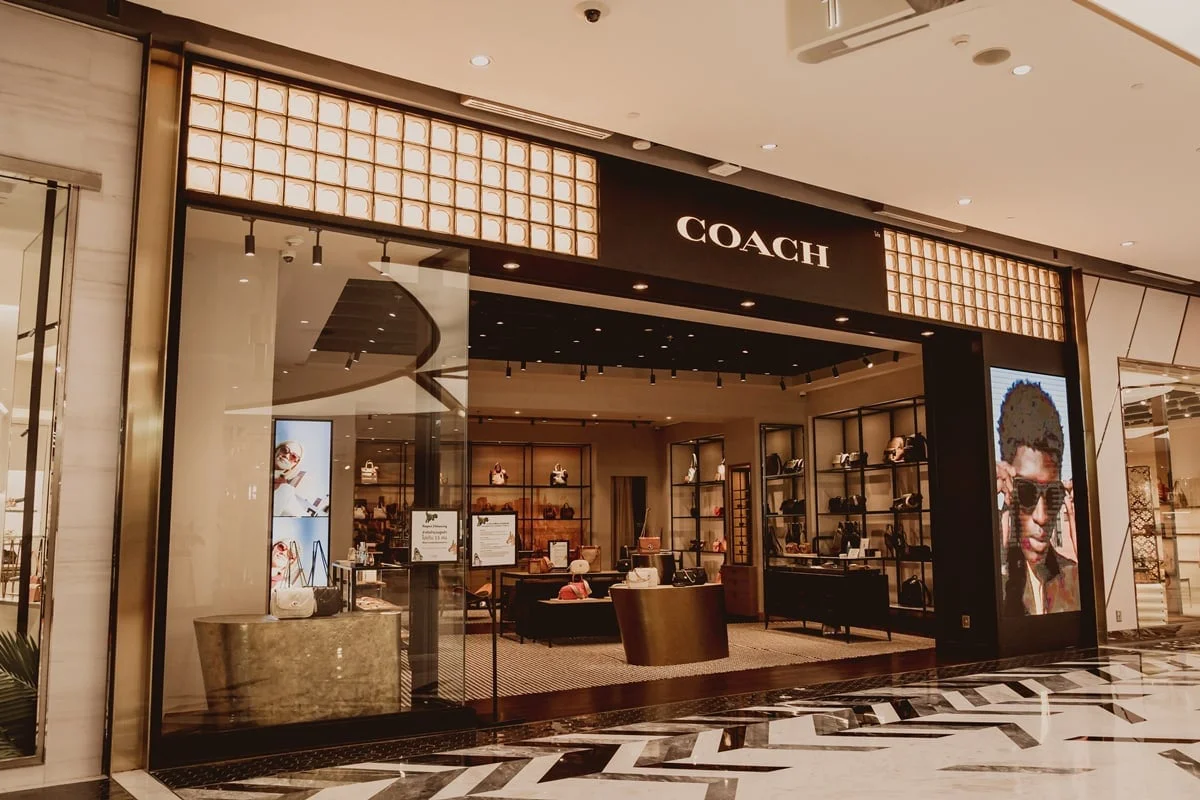
In the world of retail and consumer products, few trends are as profound and as exciting as the "comeback era" for legacy brands. Companies like Coach and Gap are proving that it is indeed possible for established brands to win over Gen Z and Gen Alpha, but only if they embrace a radically focused strategy that speaks directly to these generations' values and expectations.
The Old Decline Pattern: Over-Expansion and Discount Dependency
For decades, the decline of many legacy brands followed a familiar pattern. Over-expansion led to diluted brand identities, while heavy reliance on discounting eroded brand equity. Brands fell into the trap of chasing every trend and category in an attempt to appeal to a broad audience, ultimately losing sight of their core values and what made them unique. This pattern was exacerbated by what I call the “every snowflake is different” trap, the relentless pursuit of every possible trend or demographic.
But the shift we’re seeing today isn’t just about avoiding these pitfalls. It’s about a generational shift in consumer behavior, driven by Gen Z and Gen Alpha, who don’t carry the same baggage from the 90s and 2000s. These generations are rediscovering legacy brands not out of nostalgia but because they’re looking for something new: accessible quality that speaks to their needs and desires.
Reframing What Luxury Means for Gen Z and Gen Alpha
A critical misunderstanding in the marketing world today is the idea that Gen Z and Gen Alpha are seeking traditional luxury products. This generation isn’t interested in the old-fashioned notion of luxury as something exclusive, extravagant, and unattainable. Instead, they’re after accessible pleasure, products that bring them joy, control, and status at a price they can actually afford.
As Yuki Bi puts it, "We’ve got it all wrong about Gen Z and Gen Alpha’s buying preferences. They’re not chasing the old version of luxury; they’re chasing what feels like joy and control at a price they can actually access."
This is more than a trend; it’s a shift in how we define luxury. Being able to afford a $20 smoothie from Erewhon, or a $100 pair of ALO yoga pants, or even a mid-range SUV like the Kia Telluride are the new forms of luxury. They may not carry the same prestige as a luxury home or a high-end designer handbag, but they bring a sense of attainable joy and status, which is, in itself, a form of luxury.
Affordable Pleasure: The New Luxury
What we’re witnessing is a cultural shift: young consumers are optimizing for affordable pleasure. The traditional milestones of success, buying a home, getting married, and having children, have become less attainable in today’s economy. Housing prices, student loan debt, and high living costs have forced many young people to rethink what success looks like.
In this new reality, luxury is no longer about the elite 1%. It’s about offering products that feel premium and desirable at a price that feels attainable. This is where many brands have an opportunity: to reposition themselves as premium but accessible, offering products that meet the desires of Gen Z and Gen Alpha without the hefty price tag.
This is affordable luxury, and it's the new frontier.
Brand Examples: Coach and E.L.F. Beauty
Two standout examples of brands successfully navigating this new landscape are Coach and E.L.F. Beauty.
Coach has done a remarkable job of reconnecting with younger consumers by tapping into nostalgia, but more importantly, by focusing on accessible quality. They’ve managed to stay relevant in the eyes of Gen Z by delivering products that feel premium yet aren’t priced out of reach. Coach has capitalized on the trend of vintage shopping, allowing their iconic styles to live on in a way that feels new and exciting for young consumers.
Similarly, E.L.F. Beauty has exploded in popularity among Gen Z and Gen Alpha, capturing a significant share of the beauty market previously dominated by prestige brands. E.L.F. offers high-quality products at affordable prices, with fun, modern packaging and fast-to-market product rollouts. Their viral marketing campaigns and bold social media presence have helped them become a go-to beauty brand for younger consumers. By embracing affordability without compromising on product quality, E.L.F. is a shining example of accessible luxury done right.
The Rise of Individualism and Silent Rebellion
A key driver of this shift is the rise of individualism in Gen Z. Far from simply following trends, they are rebelling silently against traditional expectations and conventional milestones. It’s not about rejecting everything their parents and grandparents have valued; it’s about forging their own path and defining success on their own terms.
This rebellion extends to their purchasing decisions. With platforms like Afterpay and Klarna, young consumers are empowered to spread out payments for the items they desire, making the purchase of aspirational items a more accessible reality. This flexibility aligns perfectly with their desire for attainable joy, where the act of buying something they love is a form of control and pleasure in an otherwise uncertain world.
The Market Opportunity for Brands
The implications for brands are clear: the market for affordable luxury is vast, and it’s growing rapidly. Most luxury brands are still focused on the top 1%, leaving a massive gap for brands that offer affordable pleasure products that feel premium, deliver joy, and come at a price young consumers can manage.
As a marketer, the opportunity is huge. Brands like Coach, E.L.F., and others have proven that legacy brands can win back Gen Z and Gen Alpha by focusing on what these consumers actually want: affordable pleasure and accessible quality.
By recalibrating what we define as “luxury,” we can create a new wave of brands that are both aspirational and attainable, offering consumers a sense of satisfaction and joy that doesn’t break the bank.
The New Era of Luxury is Accessible
The traditional definitions of luxury are outdated. Today’s Gen Z and Gen Alpha consumers aren’t after expensive status symbols or unattainable dreams; they want affordable luxury, products that bring them joy, and fit within their budgets. As marketers, it’s time to shift our focus from chasing the luxury elite to creating products that offer attainable pleasure for the next generation.
In this comeback era, legacy brands have the opportunity to reinvent themselves by tapping into the values of joy, control, and accessibility, making this the perfect time to connect with younger consumers in a meaningful way.
Start the conversation
Define the objective. We’ll bring the right experts to the table.